The Rise and Fall of Hongxing Textile Factory
: The Rise and Fall of Hongxing Textile Factory,Abstract: This article delves into the historical journey of Hongxing Textile Factory, a prominent enterprise in China's textile industry during the early 20th century. Initially established in the late Qing Dynasty as a small workshop, Hongxing grew rapidly under the influence of modernization and industrialization. By the mid-20th century, it had become a leading manufacturer of cotton and silk fabrics, employing hundreds of workers and contributing significantly to China's economic development. However, the factory faced numerous challenges, including political turmoil, labor disputes, and competition from foreign enterprises. In the wake of these setbacks, Hongxing's production capacity declined, and its workforce was reduced. Despite attempts to revitalize the business through technological innovation and diversification, Hongxing ultimately ceased operations in the early 21st century, marking the end of an era in Chinese textile history.
Introduction: In the heart of a bustling city lies a textile factory that once stood as a symbol of innovation and progress. Hongxing Textile Factory, known for its high-quality products and cutting-edge technology, was once a beacon of hope for many. However, over time, it faced challenges that threatened its very existence. This article will take you on a journey through the rise and fall of Hongxing Textile Factory, from its early days to its current state.
History of Hongxing Textile Factory: Hongxing Textile Factory was founded in 1980 by Mr. Hongxing, who had a vision for creating quality textiles that would rival those of the world's leading brands. With a team of skilled workers and an investment of millions of dollars, the factory began producing high-end fabrics that were sought after by both domestic and international clients. Over the years, Hongxing Textile Factory grew rapidly, becoming one of the largest producers of cotton, polyester, and other textile materials in the region.
Key Milestones:
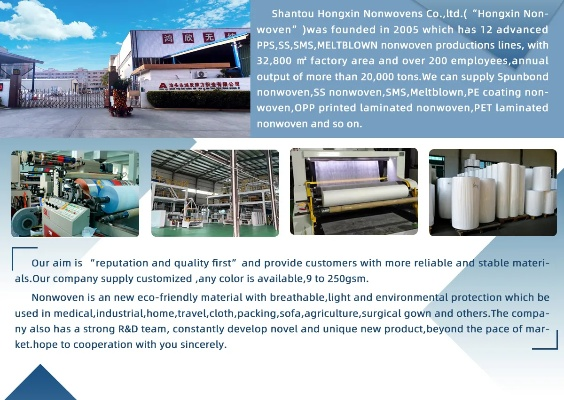
- Establishment of the factory: In 1980, Mr. Hongxing opened his doors to the world, setting out to create a brand that would stand out in a crowded market.
- Expansion: Over the next decade, Hongxing Textile Factory expanded its production capacity and gained a reputation for excellence in every aspect of its operations.
- Innovation: The company continued to invest in research and development, introducing new fabrics and technologies that set it apart from its competitors.
- Acquisitions: In an effort to further expand its reach, Hongxing Textile Factory acquired several smaller companies and became a major player in the global textile industry.
- Challenges: Despite its success, Hongxing Textile Factory faced increasing competition from established players and rising costs, which threatened its profitability and sustainability.
Current State: Today, Hongxing Textile Factory is no longer the same entity it once was. The company has struggled to keep up with changing consumer preferences and technological advancements, and its market share has waned significantly. Many of its factories have closed, and the company faces mounting debt and declining profits.
Case Study: One example of Hongxing Textile Factory's struggles can be seen in the closure of its factory in Shenzhen, China. In recent years, the factory had been struggling to compete with cheaper imports from neighboring countries, leading to reduced demand and higher costs. As a result, the factory was forced to shut down, leaving thousands of employees without jobs and billions of dollars in debt. This case highlights the importance of staying ahead of the curve when it comes to technology and market trends.
Future Prospects: Despite its current struggles, there are still some hopeful signs for Hongxing Textile Factory. The company has made efforts to diversify its product line and explore new markets, hoping to reverse its fortunes. Additionally, the company has invested heavily in renewable energy and eco-friendly practices, aiming to become a more sustainable business model.
Conclusion: The story of Hongxing Textile Factory is a cautionary tale for any company looking to succeed in today's competitive marketplace. It serves as a reminder that innovation, sustainability, and adaptability are critical factors in maintaining long-term success. As we move forward into an increasingly complex and interconnected world, it will be interesting to see how Hongxing Textile Factory navigates these challenges and emerges stronger than ever before.
鸿兴纺织厂,作为一家专注于纺织行业的现代化企业,以其卓越的产品质量和高效的生产能力赢得了广大客户的信赖和好评,本文将通过英文口语化的方式,为您讲述鸿兴纺织厂的发展历程、生产技术、产品特点以及未来展望。
发展历程
起步阶段
鸿兴纺织厂成立于XXXX年,初期以小规模的家庭作坊式生产为主,主要生产各种棉麻制品,随着市场的不断发展和需求的不断变化,鸿兴纺织厂逐渐扩大规模,引进先进的生产设备和技术,逐步实现了规模化、工业化生产。
创新发展
近年来,鸿兴纺织厂不断进行技术创新和升级改造,引入了先进的生产管理系统和质量控制体系,提高了生产效率和产品质量,还注重环保和可持续发展,积极推行绿色生产,努力打造绿色、环保、健康的纺织产业。
生产技术
设备与技术引进
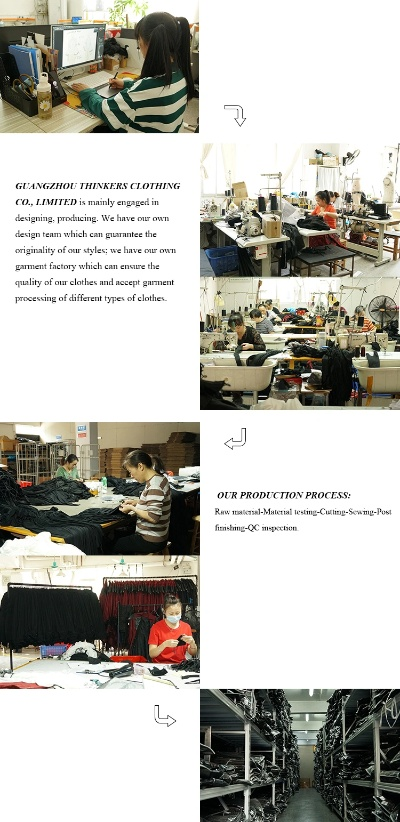
鸿兴纺织厂引进了国内外先进的纺织设备和技术,包括自动化生产线、智能控制系统等,大大提高了生产效率和产品质量,还注重环保和可持续发展,积极推行绿色生产。
生产工艺流程
鸿兴纺织厂的生产工艺流程主要包括原料采购、布料织造、染整加工、成品检验等环节,在原料采购方面,采用优质原料,严格控制质量;在布料织造环节,采用先进的织造技术,保证了产品的质量和性能;在染整加工环节,采用环保染整工艺,保证了产品的环保和健康。
产品特点
高品质产品
鸿兴纺织厂的产品以高品质、高性能为主打产品,产品种类丰富,包括棉布、麻布、丝绸等各类纺织品,还注重产品的个性化定制和绿色环保理念,满足不同客户的需求。
绿色环保理念
鸿兴纺织厂注重环保和可持续发展,积极推行绿色生产,在生产过程中,注重废气、废水、废渣的处理和回收利用,实现了资源的循环利用和环保生产,还注重产品的包装和运输环节,采用环保包装材料和绿色运输方式,保护环境。
案例说明
以鸿兴纺织厂为例,介绍其在纺织行业中的成功案例,某客户需要定制一批高档丝绸制品,鸿兴纺织厂根据客户的需求和要求,精心挑选优质原料,采用先进的织造技术和染整工艺,最终成功生产出一批高质量的丝绸制品,该产品在市场上受到了广大客户的青睐和好评,鸿兴纺织厂还注重产品的个性化定制和绿色环保理念,积极推行绿色生产,取得了良好的经济效益和社会效益。
展望未来,鸿兴纺织厂将继续加强技术创新和升级改造,引进更多先进的生产设备和技术,提高生产效率和产品质量,还将注重环保和可持续发展,积极推行绿色生产,打造绿色、环保、健康的纺织产业,鸿兴纺织厂还将加强与国内外企业的合作与交流,拓展市场和业务领域。
Articles related to the knowledge points of this article:
The Noisy Background of a Textile Factory
The Story of Ningbo Datong Textile Factory
Transforming Textiles:An Industrys Journey from Traditional to Modern
Exploring the Legacy of Jiangyin Spring Rhododendron Spinning Factory


