Embracing Sustainable Fashion with Eco-Friendly Textiles
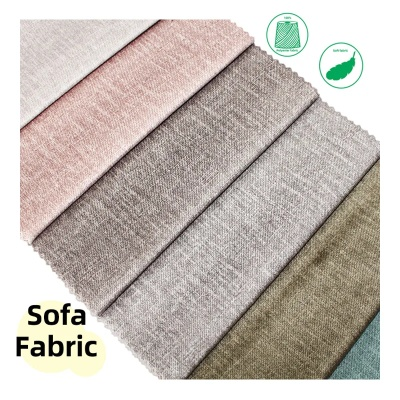
Introduction: In today's world, where environmental concerns are at the forefront of public consciousness, the importance of sustainable fashion cannot be overstated. The textile industry, in particular, has a significant impact on our planet's resources and ecosystems. As consumers, we have a responsibility to support brands that prioritize eco-friendly practices and reduce their environmental footprint. In this article, we will explore how eco-friendly textiles can positively impact both the environment and the fashion industry.
Eco-Friendly Textiles: What Are They? Eco-friendly textiles refer to those that are produced using materials that are sustainably sourced, have minimal or no negative environmental impact, and are biodegradable or recyclable. These textiles often come from recycled materials, organic fibers, or renewable sources such as bamboo, hemp, and Tencel.
Benefits of Eco-Friendly Textiles
- Reduced Environmental Impact: By reducing the use of water, energy, and other resources required for traditional textile production, eco-friendly textiles significantly lower their environmental footprint.
- Minimized Waste: Many eco-friendly textiles are designed to be durable and long-lasting, reducing the need for frequent replacements, which leads to less waste.
- Protection of Raw Materials: Using non-toxic, biodegradable materials reduces the risk of pollution and protects natural habitats.
- Promotes Sustainability: By choosing eco-friendly textiles, consumers play a role in promoting sustainability across industries.
Case Study: Bamboo Apparel Bamboo is a popular choice for eco-friendly textiles due to its fast growth rate, low carbon footprint, and high durability. Bamboo fabric is breathable, lightweight, and moisture-wicking, making it an ideal choice for summer wear. A study by Global Market Insights found that the global bamboo apparel market is expected to grow at a CAGR of 7.8% from 2019 to 2025.
Eco-Friendly Textiles in Fashion Fashion brands are increasingly incorporating eco-friendly textiles into their collections. For example, Patagonia, a renowned outdoor gear brand, has been using Tencel fabric in their clothing since 2009, which is made from wood pulp and has a low environmental impact. Other brands like H&M and Uniqlo have also started using more eco-friendly materials in their clothing.
Sustainable Fashion Challenges While there are many benefits to choosing eco-friendly textiles, there are still challenges to overcome. One major challenge is the lack of awareness among consumers about the environmental impact of certain textiles. Additionally, some traditional textile industries may resist adopting new technologies and processes that could improve their sustainability performance.
Conclusion: The adoption of eco-friendly textiles is not only essential for the health of our planet but also for the longevity of our fashion industry. By supporting brands that prioritize sustainability and choosing eco-friendly textiles, we can all contribute to a greener future. Let's embrace sustainable fashion and make a positive difference in our world!
随着全球环境问题日益严重,生态纺织品已成为当今社会关注的焦点,生态纺织品不仅关注产品的环保性能,更注重其可持续性和消费者权益,本文将围绕生态纺织品主题展开讨论,通过英文案例说明和表格补充说明的方式,为您呈现一篇深入浅出的英文口语化内容。
生态纺织品概述
生态纺织品是指采用环保材料、符合可持续性生产标准的产品,它们不仅具有环保性能,还能满足消费者对健康、舒适和美观的需求,在市场上,生态纺织品种类繁多,包括纯天然纤维制品、再生纤维制品、生物降解材料等。
生态纺织品案例分析
天然纤维制品

近年来,天然纤维制品因其环保、健康和舒适性受到越来越多消费者的青睐,某品牌推出的纯棉T恤,采用天然棉花作为主要原料,经过特殊处理后,不仅具有吸湿排汗的功能,还能有效减少环境污染,该品牌还注重产品的可回收性,采用环保包装材料,减少废弃物产生。
再生纤维制品
再生纤维制品是指利用废旧纺织品、废旧塑料等可再生资源经过加工处理制成的纺织品,某品牌推出的再生纤维床单,采用了环保再生纤维材料,不仅具有舒适性,还能有效减少环境污染,该品牌还注重产品的可降解性,符合可持续发展的理念。
生态纺织品生产与消费趋势分析
随着消费者对环保和可持续性需求的不断提高,生态纺织品生产与消费趋势呈现出以下特点:
-
环保材料需求增加:消费者越来越关注产品的环保性能和可持续性,生态纺织品生产厂家需要采用环保材料,提高产品的环保性能和可持续性。
-
绿色消费观念普及:随着社会对环保问题的关注度不断提高,绿色消费观念逐渐普及,消费者更加注重产品的环保性能和可持续性,选择生态纺织品产品成为一种趋势。
生态纺织品主题的推广策略
为了推广生态纺织品主题,可以采取以下推广策略:
-
加强宣传推广:通过媒体宣传、社交媒体等多种渠道宣传生态纺织品的重要性和优势,举办相关活动,吸引更多消费者关注和购买生态纺织品产品。
-
提高产品质量标准:加强生态纺织品生产厂家对产品质量标准的控制和管理,提高产品的环保性能和可持续性,加强产品的认证和检测工作,提高产品的可信度和品质。
生态纺织品是当今社会关注的焦点之一,其发展前景广阔,通过本文的讨论和分析,我们可以看到生态纺织品在生产与消费方面呈现出环保材料需求增加、绿色消费观念普及等特点,为了推广生态纺织品主题,需要加强宣传推广和提高产品质量标准等措施,我们也应该关注生态纺织品生产过程中的环保问题,推动可持续发展。
Articles related to the knowledge points of this article:
The Impact of Textile Tariffs on Global Trade and Employment
The Dynamics of Holonomic Textiles:A Comprehensive Analysis and Case Study


