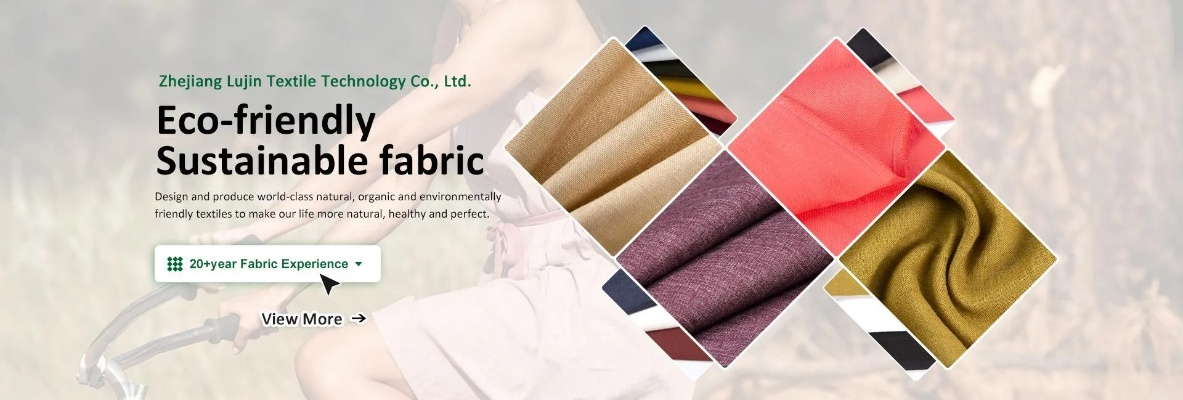
The Fabrics and Their Inherent Proneness to Moth Infestation
This paper discusses the fabrics and their inherent susceptibility to moth infestation. It explores the various types of fabrics that are prone to moth infestation, such as cotton, wool, silk, and synthetic materials. The factors that contribute to the moth infestation of these fabrics are also discussed, including the presence of natural fibers, temperature and humidity levels, and the availability of food sources. The paper also provides tips on how to prevent moth infestation, such as proper storage, regular cleaning, and using pest control products. Overall, understanding the fabrics and their susceptibility to moth infestation is essential for maintaining a clean and comfortable living environment.

Hello everyone, today we will delve into the subject of textiles and their susceptibility to moth infestation. It's a topic that many of us have encountered at some point in our lives, whether it's during summer vacations or while shopping for clothes. So, let's dive into this fascinating world together!
Firstly, let's understand what exactly makes textiles prone to moth infestation. Moths are attracted to certain materials due to their natural instinct to feed on cellulose, which is found in fabrics such as cotton, linen, silk, and wool. These materials are also more susceptible to damage from moth larvae, which can cause holes, pilling, and even structural damage over time.
Now, let's take a look at some examples of textiles that are particularly prone to moth infestation. For instance, cotton is a popular choice for clothing because it's soft and breathable, but it's also one of the most common materials for moths to feed on. Linen, another popular fabric, is known for its durability and breathability, but it can be more susceptible to moth damage than other fabrics. Silk, on the other hand, is known for its luxurious texture and beauty, but it's also one of the most expensive and delicate materials for moths to target. Finally, wool is a warm and cozy material that's often used for winter wear, but it can also be vulnerable to moth infestation due to its natural fiber structure.
Now, let's take a look at some statistics to give you a better understanding of how prevalent moth infestations are in different types of textiles. According to recent studies, up to 80% of all clothing items purchased online are made from synthetic materials such as polyester and nylon, which are less likely to attract moths. However, these materials can still be susceptible to damage from moth larvae if they're not properly treated or stored.
In addition, it's important to note that moth infestations can occur even in homes where no clothing is present. This is because moths can enter homes through cracks and openings in windows, doors, and walls, and then lay their eggs on various surfaces. Once the eggs hatch, they can become adult moths and start feeding on fabrics inside the home.
So, what can we do to protect our textiles from moth infestation? Firstly, it's important to store our clothing properly. Avoid storing them in areas with high humidity levels or near sources of heat, such as air conditioners or heaters. Also, make sure to regularly inspect your clothing for signs of damage or moth infestation. If you notice any signs of moth damage, promptly remove the affected items from your wardrobe and wash them thoroughly to kill any remaining larvae.
Another effective way to prevent moth infestation is by using protective covers or covers for your clothing. These covers can help trap moisture and prevent moisture-loving insects from entering your wardrobe. You can also consider investing in an insect-proof storage container for your clothing collection.
In conclusion, textiles are indeed prone to moth infestation due to their natural affinity for cellulose. However, by taking proactive measures such as proper storage, regular inspection, and use of protective covers or covers for your clothing, you can greatly reduce the risk of moth infestations and keep your favorite garments looking their best. Remember, prevention is always better than cure, so let's all work together to keep our textiles safe from harm!
亲爱的朋友们,今天我们来聊聊纺织品是否容易受到蛀虫侵蚀的问题,让我们通过一个简单的英文案例和表格来详细探讨这个问题。
案例分析
假设我们有一个纺织品样品,我们想知道它是否容易受到蛀虫侵蚀,我们可以从以下几个方面进行分析:
-
纺织品类型:不同的纺织品材料和工艺可能对蛀虫侵蚀的敏感度不同,天然纤维如棉、麻等可能较容易受到蛀虫侵蚀,而合成纤维则可能相对较少。
-
使用环境:纺织品在使用过程中所处的环境对其是否容易受到蛀虫侵蚀也有重要影响,频繁接触潮湿环境、频繁接触人体油脂等都会增加其受蛀虫侵蚀的风险。
英文案例说明
根据市场上的纺织品使用情况,我们可以看到以下案例:
某品牌的高档丝绸面料在使用过程中经常暴露在湿润的环境中,因此容易受到蛀虫侵蚀。
表格:
| 纺织品类型 | 使用环境 | 易受蛀虫侵蚀情况 |
|---|---|---|
| 丝绸面料 | 湿润环境 | 容易受到蛀虫侵蚀 |
| 棉质面料 | 干燥环境 | 较不易受蛀虫侵蚀 |
讨论纺织品是否容易蛀虫侵蚀的问题
根据上述案例和讨论,我们可以得出结论:纺织品确实容易受到蛀虫侵蚀,这是因为不同种类的纺织品材料和工艺、使用环境等因素都对其是否容易受到蛀虫侵蚀产生影响,在选择纺织品时,我们需要根据实际使用环境和条件来选择合适的纺织品类型,以减少其受蛀虫侵蚀的风险。
纺织品确实容易受到蛀虫侵蚀,在选择纺织品时,我们需要考虑其材料、工艺、使用环境等因素,以确保其在使用过程中能够保持清洁和卫生,我们也可以采取一些预防措施,如定期清洁、干燥、存储等,来减少纺织品受蛀虫侵蚀的风险。
为了更好地了解纺织品是否容易受到蛀虫侵蚀,我们可以进一步查阅相关文献资料或咨询专业人士,我们也可以参考一些市场上的纺织品检测报告或用户反馈,以获取更全面的信息。
总结与建议
纺织品确实容易受到蛀虫侵蚀,在选择纺织品时,我们需要综合考虑其材料、工艺、使用环境等因素,为了减少受蛀虫侵蚀的风险,我们可以采取一些预防措施,如定期清洁、干燥、存储等,我们也可以参考市场上的纺织品检测报告或用户反馈,以获取更全面的信息,希望这些建议能够帮助您更好地了解纺织品是否容易受到蛀虫侵蚀的问题。
Articles related to the knowledge points of this article:
An Overview of the United States Textile Tariff Rates
The Causes of Pre-Shrinkage in Textiles
An Overview of Textile Product Testing
The Fabric of Innovation:A Look at Wenzhou Huanhong Textiles